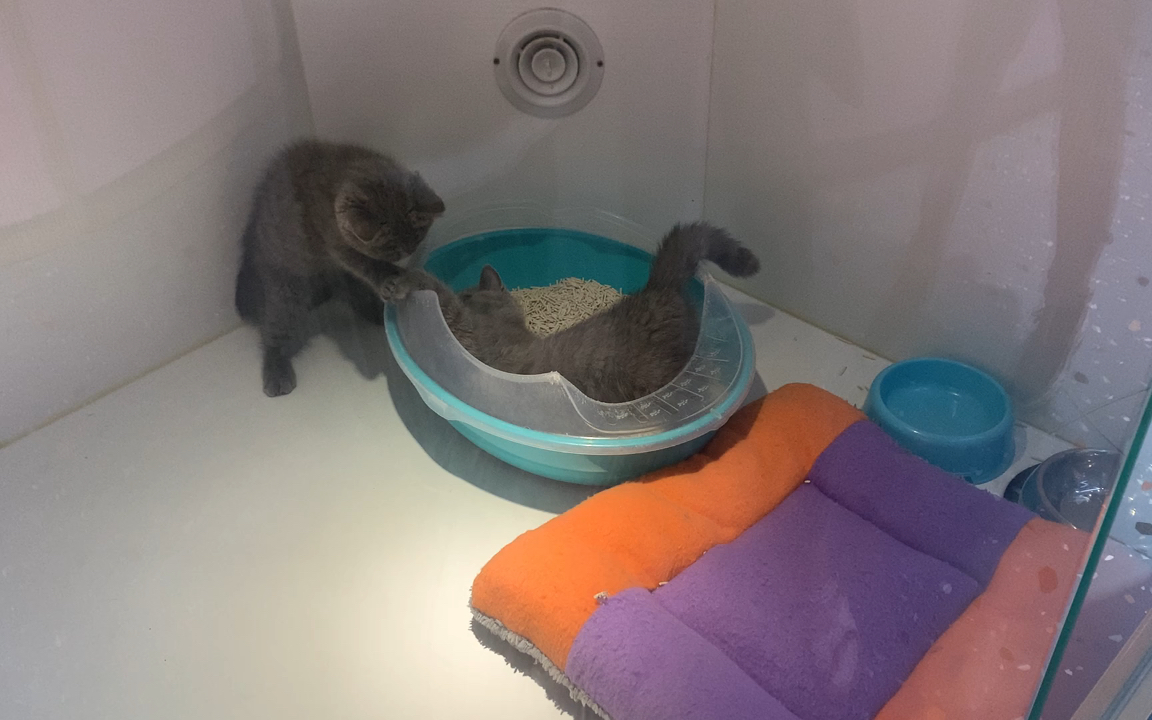
Living with multiple cats brings incredible joy, but it also presents unique challenges that can turn your peaceful home into a battlefield. Nothing disrupts household harmony quite like litter box territorial disputes, and unfortunately, 68% of multi-cat households experience elimination problems related to poor box placement. The good news? Strategic litter box positioning can eliminate these conflicts entirely and restore peace to your feline family.

Understanding the Multi-Cat Territorial Challenge
Multiple cats sharing living space naturally develop complex social hierarchies and territorial boundaries. When litter boxes become contested resources, even the most bonded cats can engage in aggressive behaviors that stress the entire household. Veterinary behaviorists report that improper litter box placement accounts for nearly 40% of multi-cat behavioral consultations.
The root of territorial litter box conflicts lies in cats’ instinctual need for security during vulnerable elimination moments. In the wild, cats seek private, easily escapable locations for bathroom activities. Domestic multi-cat environments that fail to provide adequate privacy and accessibility options create anxiety, leading to inappropriate elimination and aggressive confrontations.
Furthermore, dominant cats often guard prime litter box locations, preventing submissive cats from accessing facilities comfortably. This dynamic creates a cascade of problems including house soiling, stress-related health issues, and deteriorating relationships between cats that previously coexisted peacefully.

The Golden Rule: N+1 Formula for Perfect Placement
Veterinary experts universally recommend the N+1 formula: one litter box per cat plus one extra. However, the placement strategy proves equally critical to the formula’s success. Simply adding boxes without strategic positioning often fails to resolve territorial conflicts because cats may still compete for preferred locations.
Effective multi-cat litter box placement requires distributing facilities across multiple areas, ensuring no single cat can guard all resources simultaneously. This approach provides every cat with accessible alternatives while reducing competition pressure around bathroom facilities.
Additionally, the N+1 formula accommodates different elimination preferences among cats. Some prefer urinating and defecating in separate boxes, while others require immediate backup options if their preferred box becomes occupied or soiled.

Strategic Placement Zones: Creating Harmony Through Design
Zone 1: Primary Living Areas Position at least one litter box in the main living space where cats spend most of their time. Choose quiet corners with good visibility but adequate privacy. Avoid high-traffic areas where sudden movements might startle cats during elimination.
Zone 2: Secondary Retreat Spaces Establish litter facilities in secondary areas like spare bedrooms, finished basements, or quiet hallways. These zones provide alternatives for cats seeking extra privacy or escaping from household activity.
Zone 3: Multi-Level Access Points For multi-story homes, place boxes on every level cats can access. Senior cats or those with mobility issues particularly benefit from convenient access without navigating stairs during urgent bathroom needs.
Zone 4: Territorial Boundary Areas Strategically position boxes near natural territorial boundaries within your home. This approach allows cats to maintain their preferred territories while accessing necessary facilities without crossing into other cats’ domains.
Common Placement Mistakes That Trigger Conflicts
Many well-intentioned cat owners unknowingly create territorial hotspots through poor placement decisions. Clustering all litter boxes in one area essentially creates a single resource that dominant cats can easily monopolize. Similarly, placing boxes in dead-end locations prevents submissive cats from escaping if confronted by territorial rivals.
Another critical mistake involves positioning litter boxes near food and water stations. Cats instinctively avoid eliminating near eating areas, and this placement can create anxiety that manifests as inappropriate elimination elsewhere in the home.
Additionally, high-traffic areas like laundry rooms with active appliances can create negative associations with litter box locations. The sudden noise from washing machines or dryers can startle cats mid-elimination, leading to long-term avoidance of these areas.
Frequently Asked Questions About Multi-Cat Litter Box Placement
How far apart should litter boxes be placed in multi-cat homes? Ideally, maintain at least 10-15 feet between litter boxes to prevent resource guarding. However, in smaller homes, different rooms or distinct areas within larger rooms can provide adequate separation.
Can cats share litter boxes peacefully? While some bonded cats may share facilities without conflict, providing individual options reduces stress and prevents future territorial disputes as cats age or experience life changes.
Where should I avoid placing litter boxes in multi-cat households? Avoid dead-end locations, near appliances with sudden noises, close to food stations, or in areas with only one entrance/exit route that can become trapped zones during conflicts.
How do I know if my litter box placement is causing territorial issues? Warning signs include inappropriate elimination, aggressive behavior around boxes, cats waiting to use facilities until others leave the area, or complete avoidance of certain boxes by specific cats.
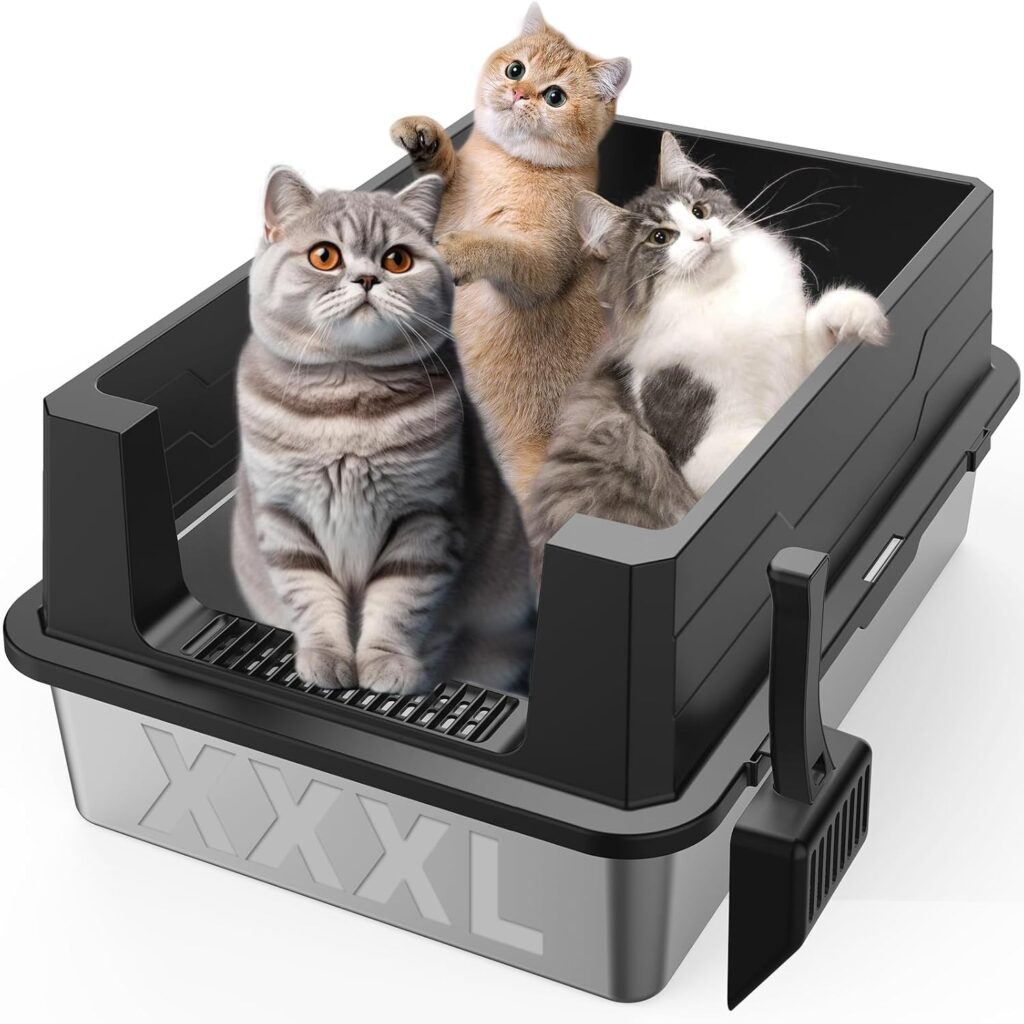
Should covered or uncovered boxes be used in multi-cat homes? Uncovered boxes generally work better in multi-cat environments because they provide better visibility and escape routes, reducing anxiety during elimination and preventing surprise confrontations.
Advanced Strategies for Peaceful Coexistence
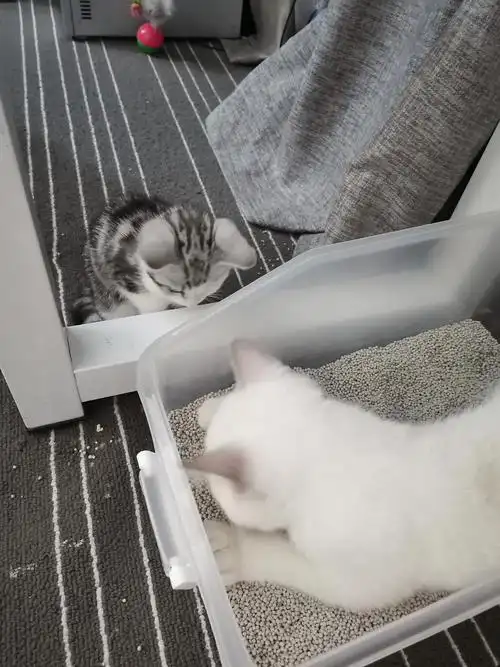
Beyond basic placement principles, several advanced strategies can further enhance litter box harmony in multi-cat households. Environmental enrichment around litter areas, including vertical spaces and hiding spots, helps cats feel more secure during vulnerable elimination moments.
Consider implementing feeding schedules that naturally separate cats during peak elimination times. Many cats eliminate shortly after eating, so staggered meal times can reduce competition for litter facilities during high-usage periods.
Furthermore, maintain consistent cleaning schedules across all boxes to prevent any single facility from becoming more attractive than others. Uneven maintenance can create preference hierarchies that lead to territorial disputes over the cleanest available options.
Creating Your Custom Multi-Cat Placement Plan
Start by observing your cats’ current elimination patterns and territorial behaviors. Note which cats avoid certain areas, display anxiety around specific boxes, or consistently wait for others to finish before approaching facilities. This behavioral mapping reveals underlying territorial dynamics affecting litter box usage.
Next, evaluate your home’s layout for optimal placement opportunities. Look for quiet areas with multiple escape routes, adequate privacy, and distance from high-activity zones. Remember that strategic placement often matters more than expensive litter box features.
Finally, implement changes gradually to avoid disrupting established routines. Add new boxes in strategic locations before removing poorly placed ones, allowing cats to naturally transition to better arrangements without stress.
Transform Your Multi-Cat Home Today
Strategic multi-cat litter box placement transforms chaotic households into harmonious environments where every cat feels secure and comfortable. By understanding territorial dynamics and implementing proven placement strategies, you can eliminate conflicts while promoting healthy elimination habits for all your feline family members.
The investment in proper placement pays dividends through reduced stress, fewer accidents, and improved relationships between your cats. Most importantly, you’ll restore the peaceful, loving atmosphere that makes multi-cat households such rewarding experiences for dedicated cat lovers.
Don’t wait for territorial conflicts to escalate into serious behavioral problems. Implement these strategic placement principles today and watch your cats rediscover the joy of stress-free coexistence in their perfectly designed litter box environment.